About Us
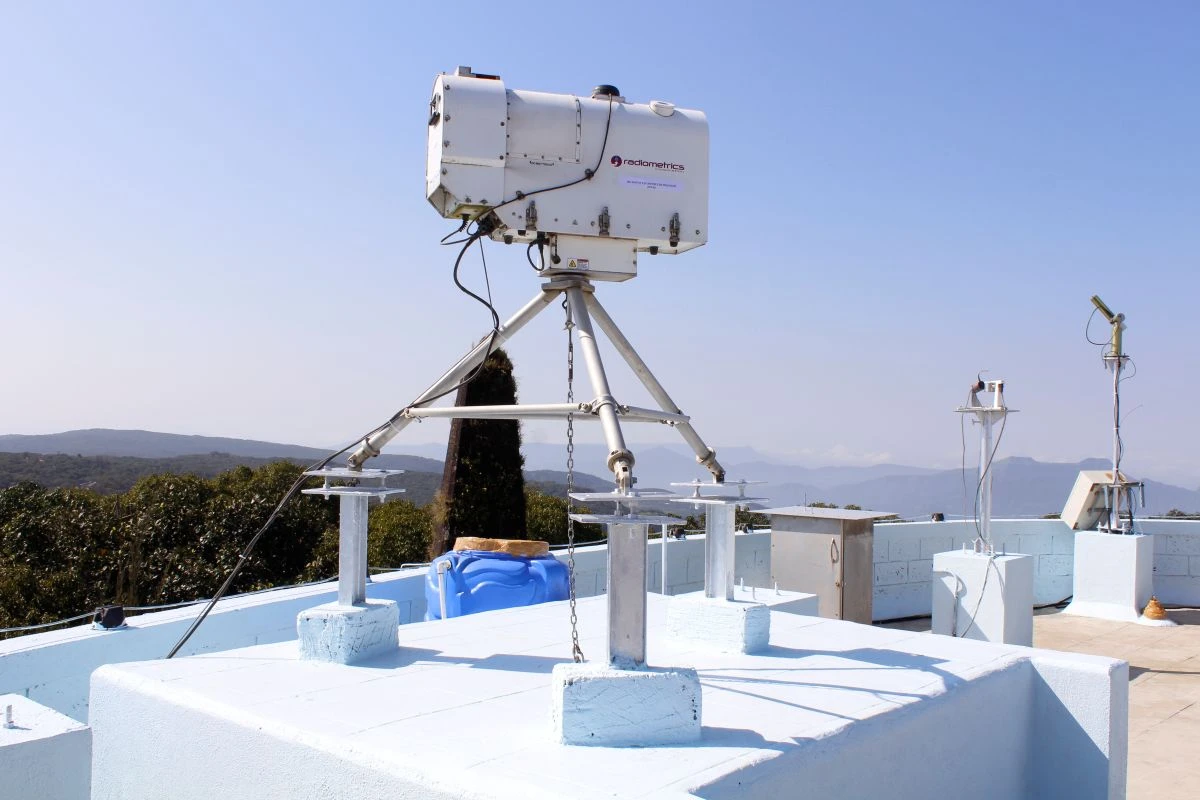
The most important source of systematic errors in all weather and climate prediction model is related with inaccuracy in formulation (or parameterization) of clouds. The parameterization of convection in weather and climate models depends on our understanding of how small scale clouds interact with the large scale environments and how aerosol interact with the clouds. In order to get data on cloud microphysics under different large range of meteorological conditions and distributions, it is important to continue these measurements for a reasonably long time. On the other hand, if we could set up a cloud physics and aerosol measurements observatory at a high altitude station where cloud bases touch the ground, one could make cloud-microphysics measurements together with aerosol and meteorological measurements for many years and could thereby collect data spanning different conditions. Therefore, it is proposed to accelerate the experimental infrastructure by introducing uninterrupted observations and monitoring of critical atmospheric parameters and cloud parameters regularly at a high altitude station in Maharashtra viz., Mahabaleshwar along with supporting infrastructure at the IITM campus in Pune.
The High Altitude Cloud Physics Laboratory (HACPL) originated from such a unique requirement, where clouds could be continuously monitored at a single location, where cloud base touches the ground. Observations on regular basis at the HACPL will provide continuous data for the study of cloud microphysics and interaction between clouds and aerosol and the process of precipitation and related dynamics. The impact of orography of Western Ghat on the precipitation dynamics will be addressed with continuous observations with radar at this site. The continuous and simultaneous observations at Mahabaleshwar will provide unique opportunity to study detailed interaction of the dynamics and microphysics over the region and explore the differences in their spatial characteristics. The observations will also be used along with other cloud physics observations in the physical parameterization development, testing etc and to establish cloud and precipitation climatology of the region.